
HTML5, CSS & JAVASCRIPT

Categories: HTML,CSS,JAVASCRIPT
Wishlist Share

About Course

Web Development Fundamentals: HTML5, CSS, and JavaScript

HTML5: Structure and Content

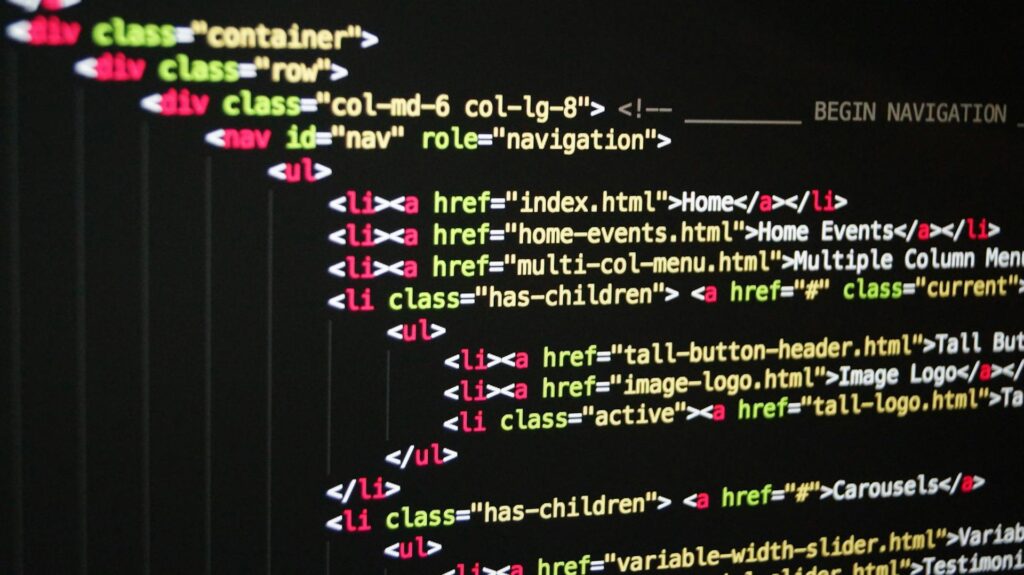
HTML5 is a markup language used to define the structure and content of web pages. Its main objectives are:

– To provide a structure for web pages using semantic elements such as headers, footers, navigation, and sections. This structure helps search engines understand the content and improves accessibility for users with disabilities.
– To provide meaning to content on the web, including headings, paragraphs, images, and links. This ensures that content is readable and understandable by both humans and machines.
– To enable offline storage and caching of web pages, allowing users to access content even without an internet connection.
– To support multimedia elements such as video and audio without requiring third-party plugins.
CSS: Styling and Layout

CSS, or Cascading Style Sheets, is a styling language used to control the visual appearance of web pages. Its main objectives are:

– To control the layout of web pages, including positioning, alignment, and spacing. This ensures that content is visually appealing and easy to navigate.
– To add visual effects such as transitions, animations, and shadows. These effects enhance the user experience and make web pages more engaging.
– To create responsive designs that adapt to different screen sizes and devices. This ensures that web pages look great on desktops, laptops, tablets, and mobile devices.
– To ensure consistency in design across multiple web pages. This reinforces branding and makes it easier for users to navigate a website.

JavaScript: Interactivity and Dynamic Effects

JavaScript is a programming language used to add interactivity and dynamic effects to web pages. Its main objectives are:

– To add interactivity to web pages, responding to user input and creating a more engaging experience.
– To create dynamic effects such as animations, transitions, and scrolling effects. These effects enhance the user experience and make web pages more visually appealing.
– To handle client-side logic and calculations, reducing the load on servers and improving performance.
– To integrate with APIs to fetch and manipulate data, creating dynamic and data-driven web applications.

HTML5, CSS, and JavaScript are three fundamental technologies that work together to create: modern, interactive, and visually appealing web applications. Understanding the main objectives of each technology is crucial for building effective and engaging web experiences. Thank you for your attention, and I hope you have a better understanding of these essential web development technologies.

Show More

What Will You Learn?

  • Web Development Essentials: HTML, CSS, and JavaScript
  • Key Takeaways:
  • - HTML:
  • - Building blocks of web pages
  • - Semantic markup and structure
  • - Creating forms, tables, and lists
  • - CSS:
  • - Styling and layout of web pages
  • - Selectors, properties, and values
  • - Responsive design and media queries
  • - JavaScript:
  • - Adding interactivity to web pages
  • - Variables, data types, and functions
  • - DOM manipulation and events
  • By mastering HTML, CSS, and JavaScript, students will be well-equipped to build robust and engaging web applications.

Course Content

What is HTML all about?
What is HTML? HTML (Hypertext Markup Language) is a standard markup language used to create web pages. It's the backbone of a website, providing the structure and content that the web browser renders to the user. What does HTML do? HTML is used to: 1. Create web pages: HTML is used to define the structure and content of web pages, including headings, paragraphs, images, links, forms, tables, and more. 2. Define content: HTML provides a way to define the content of a web page, including text, images, and other multimedia elements. 3. Structure content: HTML provides a way to structure content in a logical and organized way, making it easier for users to navigate and understand. 4. Link to other pages: HTML allows you to create hyperlinks to other web pages, enabling users to navigate between pages and websites. What does HTML offer? HTML offers several benefits, including: 1. Platform independence: HTML is platform-independent, meaning that web pages created with HTML can be accessed on any device with a web browser. 2. Easy to learn: HTML is a relatively simple language to learn, making it accessible to developers and non-developers alike. 3. Flexibility: HTML allows developers to create complex and dynamic web pages using various elements and attributes. 4. Search engine optimization (SEO): HTML provides a way to optimize web pages for search engines, improving the visibility and ranking of a website. How is HTML used to build websites? HTML is used in conjunction with other technologies like CSS and JavaScript to build websites. Here's a general overview of the process: 1. Design: The design of the website is created, including the layout, color scheme, and visual elements. 2. HTML coding: The HTML code is written to define the structure and content of the web page. 3. CSS styling: CSS is used to add visual styles to the HTML elements, such as colors, fonts, and spacing. 4. JavaScript interactivity: JavaScript is used to add interactivity to the web page, such as animations, effects, and dynamic updates. 5. Testing and deployment: The website is tested and deployed to a web server, where it can be accessed by users. Key HTML concepts: - Tags: HTML uses tags to define elements, such as <p> for paragraphs and <img> for images. - Attributes: HTML attributes provide additional information about elements, such as the src attribute for images. - Elements: HTML elements are the building blocks of web pages, including headings, paragraphs, images, and more.

  • Understanding HTML Basics
  • HTML Tags Explained with Code
  • PDF LESSON | HTML & CSS
  • Basic Syntax of HTML and CSS
  • CSS CODING

Student Ratings & Reviews

No Review Yet
No Review Yet